The College
Fresno City College, the largest of the four colleges in the State Center Community College District, is a major regional employer with over 1,200 faculty, classified professionals, and administrators. Students can pursue 120 associate degrees, 96 certificates of achievement, and more than 80 career and technical pathways. Recently, the college launched its first bachelor’s degree program in dental hygiene —one of only 39 community college baccalaureate programs in California.
Renowned for university transfer, workforce programs, and vibrant arts programming, the college drives educational, career, and community advancement across Fresno County. Signature career programs include dental hygiene, respiratory care, nursing, health information technology, fire technology, law pathways, police training, and automotive technology. Its award-winning fine, performing, and communication arts programs also host popular festivals and performances that attract strong community support. Fresno City College’s athletic program is nationally recognized, having received the Learfield Sports Director’s Cup for Community Colleges, honoring schools with strong men’s and women’s sports programs. The Rams compete in 23 sports, consistently winning state and conference championships.
Recent U.S. Census Bureau data reveal the Fresno City College student population is more ethnically and racially diverse than its service area population for all groups except American Indian/Alaskan Native and White. For more information visit: Fresno City College ISER August 2024.
The college supports its diverse student body with programs tailored for low-income, first-year, student parents, honors students, foster youth, formerly incarcerated, undocumented, international, and active military or veteran students. The FCC Basic Needs Resources webpage connects students to essential support for food, housing, transportation, textbooks, technology, and other needs.
Fresno City College Student Demographics
The college serves over 45,000 students yearly, which:
- 68% Latinx
- 14% White/non-Hispanic
- 11% Asian/Pacific Islander
- 2% multi-racial
- 4% African American
- 1% American Indian/Alaskan Native
Background and History
Fresno City College was founded in 1910 and is California's first community college. The college’s history began in 1907 when C. L. McLane, then superintendent of schools for the city of Fresno, recognized the need for college instruction for San Joaquin Valley students. Largely through McLane’s efforts, Fresno Junior College was established. The first class was held at Fresno High School located on "O" Street in downtown Fresno with 20 students and three instructors.
In 1921 Fresno Junior College combined with the Fresno Normal School, later Fresno State Teachers College and currently California State University, Fresno.
In 1948 new laws permitted local school districts to operate junior colleges, and Fresno City College returned to the “O” Street campus, which it shared with Fresno Technical High School. By 1950 the technical high school program phased out and the junior college began looking for another campus. The junior college completed negotiations for the purchase of the University Avenue campus from Fresno State College. By 1956 Fresno City College had moved permanently to University Avenue.
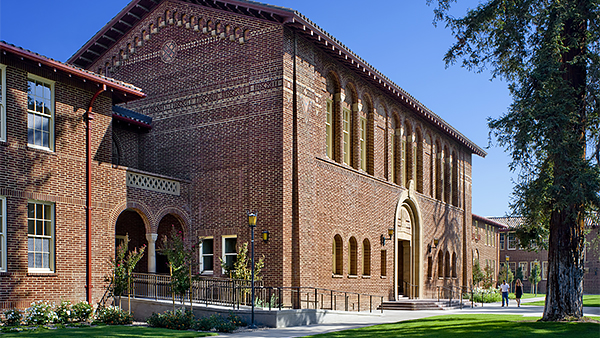
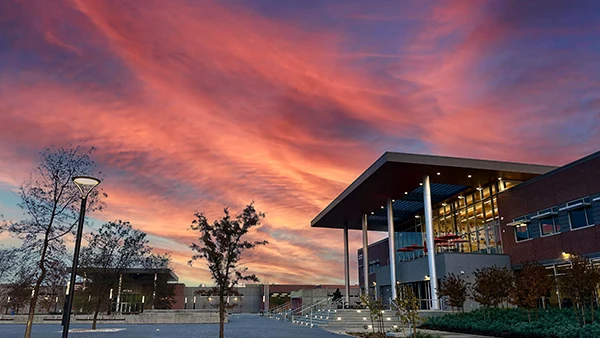
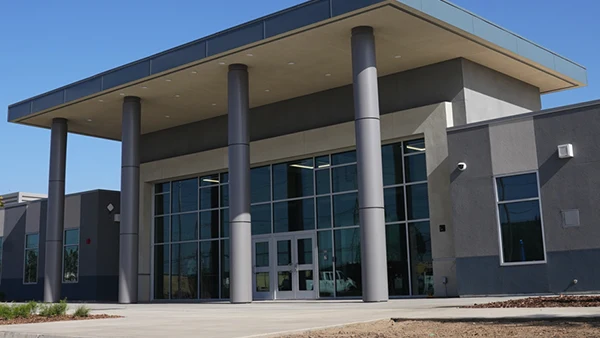
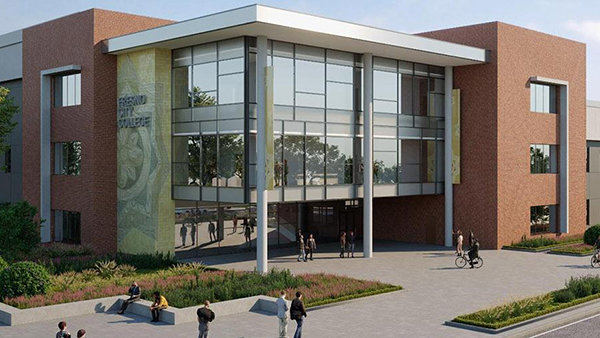
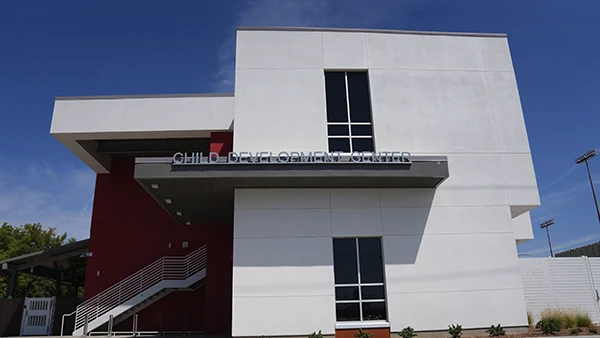
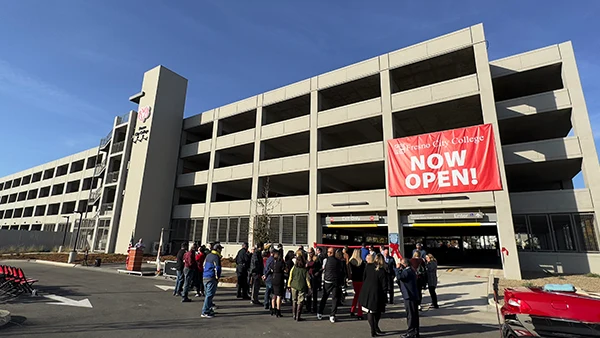
From its historic main campus in central Fresno, the college now extends into the community through its Career and Technology Center and two new sites: the First Responders Campus, focused on fire, police, and emergency medical services, and the West Fresno Center, in a historically underserved area. These facilities, along with a new Welcome Center, Science Building, Child Development Center, and parking structure, were funded by local bonds, showcasing the community’s commitment to the college.
As exemplified in its Mission, Vision, and Core Values, Fresno City College is dedicated to providing equity-minded programs and services that advance the sustainable social and economic mobility of its students and the region, while promoting a culture of anti-racism and belonging. It respectfully acknowledges its location on the ancestral homelands of the Yokuts and Mono Nations.